How is Barley Used in Animal Feeding?
Barley is one of the most commonly used feed ingredients in the agriculture and livestock sector. Due to its high energy content and wide availability, it plays an important role in cattle and sheep nutrition. When used correctly, it reduces feed costs and supports healthy animal growth.
Why is Barley Important?
Barley is rich in starch, which provides a valuable energy source for animals. It is especially important for livestock producers aiming to increase milk and meat production. It also supports rumen health due to its digestible structure.
Compared to other grains such as corn, barley is often more cost-effective, making it a preferred choice for large-scale livestock operations.
Which Animals is it Used For?
Barley is commonly used in the feeding of:
- Cattle
- Sheep and goats
- Fattening livestock
- Dairy cows
The usage amount varies depending on the animal type, and feeding rations should always be properly balanced.
How Should Barley Be Used?
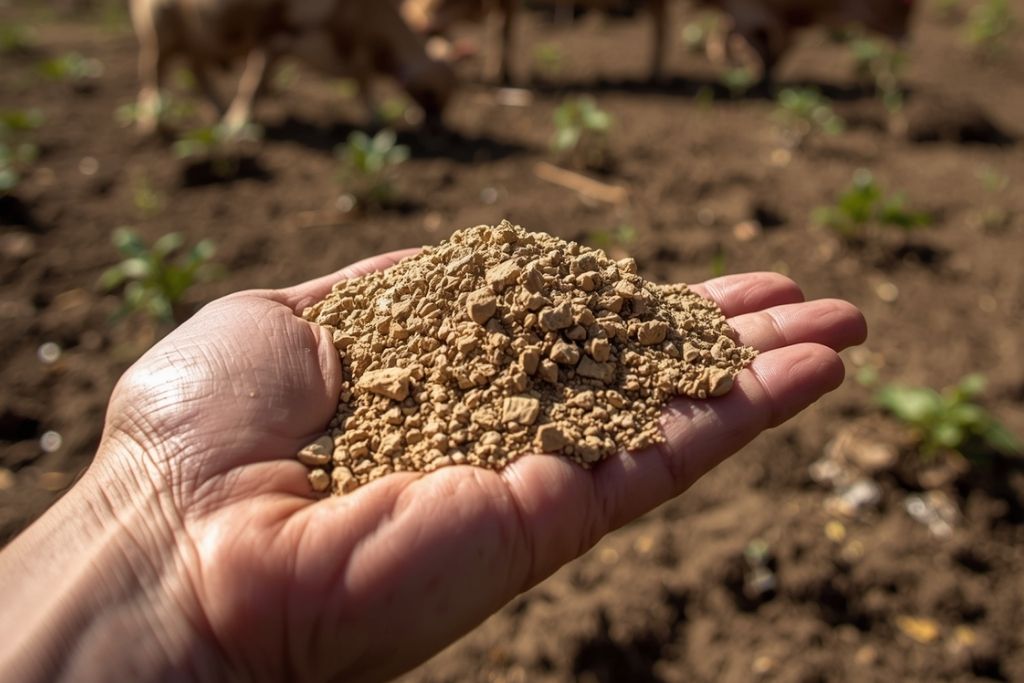
Barley is generally fed in crushed or rolled form. Whole barley may not be fully digestible, so processing it increases feed efficiency and improves nutrient absorption.
It is not typically used alone. Instead, it is combined with protein-rich feed ingredients to create a balanced ration.
Possible Risks of Excess Use
As with any feed ingredient, excessive use of barley may cause digestive problems such as bloating or acidosis due to high starch intake.
Therefore, barley should always be used in balanced proportions together with other feed materials.
Barley is an economical and nutritious feed ingredient widely used in livestock farming. When used correctly, it supports growth, improves milk and meat production, and contributes to overall animal health. Proper ration balancing is essential for best results.